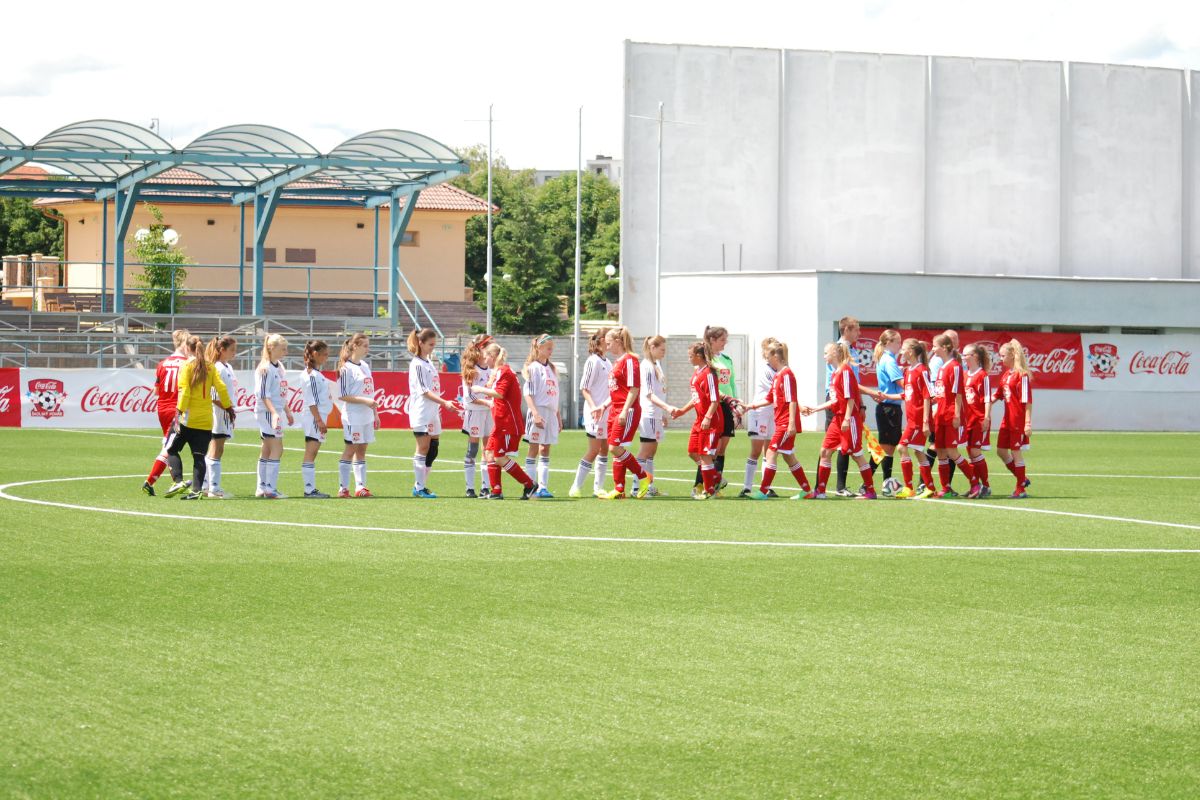
How One Tournament Professional Organization Enhances The Player Experience

Participating in a football tournament is more than just playing games; it’s about creating lasting memories, fostering team spirit, and experiencing the thrill of competition. At One Tournament, we understand this, which is why we place a strong emphasis on professional organisation to enhance the player experience. Our commitment to quality and attention to detail sets us apart, ensuring that every participant, from young aspiring players to seasoned coaches, enjoys a seamless and rewarding tournament.

Meticulous Planning and Execution

One of the cornerstones of our professional organisation is meticulous planning. From the initial stages of scheduling and venue selection to the final whistle, every aspect of our tournaments is carefully considered. We strive to provide a well-structured and efficient schedule, minimising waiting times and maximising playing time. Our venues are selected for their quality and suitability, offering excellent playing surfaces and facilities. This commitment to planning ensures that players can focus on what they do best – playing football.

High-Quality Facilities and Equipment

We understand that the quality of facilities and equipment plays a crucial role in the player experience. That’s why we invest in providing top-notch facilities, including well-maintained pitches, comfortable changing rooms, and adequate spectator areas. Our equipment, from goals to nets, is of the highest standard, ensuring a professional playing environment. Our focus on quality extends to every detail, contributing to a premium tournament experience.

Professional Refereeing and Fair Play

Fair play is at the heart of every One Tournament event. We employ qualified and experienced referees who uphold the rules of the game and ensure a fair playing field for all teams. Our referees are trained to manage games effectively, promoting a positive and respectful atmosphere. We believe that professional refereeing not only enhances the integrity of the tournament but also contributes to the development of young players by teaching them the importance of sportsmanship and fair play.

Efficient Communication and Support

Clear and efficient communication is essential for a smooth tournament experience. We provide comprehensive information to teams and coaches before, during, and after the event. Our dedicated support team is always on hand to answer questions and provide assistance. Whether it’s clarifying rules, resolving issues, or providing directions, we are committed to ensuring that every participant feels supported. Our proactive approach to communication minimises confusion and ensures that everyone is well-informed.

Focus on Player Development

One Tournament is more than just a competition; it’s an opportunity for player development. We believe that well-organised tournaments provide a valuable learning experience for young players. Our events are designed to challenge players and help them improve their skills, teamwork, and decision-making. The professional environment we create fosters a competitive yet supportive atmosphere, encouraging players to strive for their best. By focusing on development, we contribute to the growth of football at the grassroots level.

Creating Memorable Experiences

Ultimately, our goal is to create memorable experiences for every participant. We understand that football tournaments are about more than just winning; they’re about creating lasting memories and fostering a love for the game. Our professional organisation ensures that every aspect of the tournament, from the playing experience to the off-field atmosphere, is enjoyable and engaging. We strive to create a positive and inclusive environment where players can bond with their teammates, make new friends, and create memories that will last a lifetime.

Conclusion

One Tournament’s commitment to professional organisation is evident in every aspect of our UK football tournaments. By focusing on meticulous planning, high-quality facilities, professional refereeing, efficient communication, player development, and creating memorable experiences, we elevate the player experience and set a new standard for grassroots football events. Join us at One Tournament and experience the difference that professional organisation can make.


The Role Of Football Tournaments In Community Building

Football tournaments are more than just sporting events—they are platforms for fostering unity, supporting local economies, and creating lasting connections. Their impact extends beyond the pitch, making them vital to community building. Here’s how football tournaments contribute to stronger, more connected communities:

1. Promoting Social Inclusion and Diversity

Football tournaments bring together individuals from different cultures, backgrounds, and age groups. Events such as mixed-gender games, veteran leagues, and disability-friendly matches foster inclusivity and promote equal opportunities for participation.

  • Local Example: Community charity tournaments often feature open-entry teams, ensuring everyone can participate.
  • Impact: Creates a welcoming space for people of all abilities and backgrounds, building mutual understanding.
  • Global Impact: International tournaments introduce diverse cultures to local communities, encouraging tolerance and global unity.

2. Boosting Local Economies

Tournaments are economic catalysts for local businesses, benefiting hospitality, retail, and service sectors.

  • Revenue Impact: Increased sales for shops, restaurants, and hotels from visiting teams and supporters.
  • Infrastructure Investment: Local authorities often upgrade sports facilities, leaving lasting improvements for the community.
  • Job Creation: Tournaments create temporary and permanent jobs, such as event coordinators, referees, and security staff.
  • Case Study: The Bridlington Cup annually brings thousands of visitors, generating significant revenue for the local economy.

3. Encouraging Youth Development and Education

Football tournaments provide a platform for young athletes to showcase their talents, develop discipline, and learn teamwork.

  • School Collaborations: Many tournaments include school competitions, combining sports with education.
  • Pathways for Growth: Scouts often attend these events, opening doors for promising players.
  • Workshops and Mentorship: Events often include training clinics with professional players and coaches.
  • Impact: Nurtures discipline, resilience, and sportsmanship among young participants.

4. Strengthening Community Spirit and Pride

Tournaments create moments that unite communities, fostering a shared sense of pride and belonging.

  • Volunteering: Locals get involved as referees, coordinators, and support staff.
  • Fundraising: Events often raise money for local causes, strengthening bonds between participants.
  • Cultural Exchange: Diverse teams bring unique traditions, promoting cross-cultural understanding.
  • Local Traditions: Annual tournaments often become cherished community traditions.

5. Promoting Health and Well-being

Participation in football tournaments encourages active lifestyles and reduces health risks.

  • Physical Activity: Regular play boosts fitness, strength, and coordination.
  • Mental Health: Playing and supporting teams reduces stress and improves mood.
  • Family Fitness: Community tournaments often include family-friendly matches and wellness activities.
  • Prolonged Impact: Promotes year-round participation in sports clubs and fitness programmes.

6. Creating Long-Lasting Partnerships

Football tournaments often lead to lasting relationships between organisations, businesses, and local authorities.

  • Sponsorships: Local businesses gain visibility while supporting grassroots initiatives.
  • Collaborations: Schools and clubs often form ongoing partnerships through tournament activities.
  • Public-Private Partnerships: Local councils and private sponsors jointly fund facilities and events.
  • Impact: Builds long-term alliances that strengthen community resources and opportunities.

7. Promoting Volunteerism and Leadership

Football tournaments create opportunities for locals to gain valuable experience through volunteering.

  • Roles: Volunteers assist with event management, security, and hospitality.
  • Youth Engagement: Young people gain leadership experience, boosting their confidence and career prospects.
  • Impact: Creates a spirit of collective effort, fostering lifelong civic involvement.
Conclusion

Football tournaments are powerful tools for community building. They promote inclusion, drive local economies, develop youth talent, and strengthen community bonds. Their impact lasts far beyond the final whistle, leaving a legacy of togetherness and pride. With economic, social, and health benefits, football tournaments are integral to vibrant and thriving communities.

Health And Nutrition Tips For Peak Performance During Tournaments

Achieving peak performance during football tournaments requires proper health, nutrition, and recovery strategies. This comprehensive guide outlines five essential tips to help athletes sustain energy, improve focus, and maximise performance on match day.

1. Prioritise Proper Hydration

Why It Matters: Hydration regulates body temperature, boosts endurance, and prevents fatigue. Dehydration can lead to cramps, dizziness, and reduced concentration.

Hydration Strategy:

  • Before Matches: Drink 500-600ml of water 2–3 hours before kick-off.
  • During Matches: Sip 150-250ml of water or an electrolyte drink every 15 minutes.
  • After Matches: Rehydrate with at least 500ml of water or electrolyte-rich drinks.

Pro Tip: Add a pinch of salt to water to improve electrolyte balance naturally.

2. Maintain a Balanced Diet

Why It Matters: A nutritious diet fuels energy levels, supports recovery, and boosts performance.

Key Nutrients for Footballers:

  • Carbohydrates: Provide sustained energy. Focus on whole grains, fruits, and starchy vegetables.
  • Proteins: Repair and build muscles. Include lean meats, fish, eggs, and legumes.
  • Healthy Fats: Improve endurance. Add avocados, nuts, and olive oil.

Sample Tournament Meal Plan:

  • Breakfast: Porridge with banana and chia seeds.
  • Lunch: Chicken wrap with salad and a side of fruit.
  • Dinner: Grilled salmon with quinoa and steamed broccoli.

3. Focus on Recovery Nutrition

Why It Matters: Proper recovery fuels muscles and reduces soreness between matches.

Effective Recovery Strategy:

  • Within 30 Minutes: Consume a protein shake or a banana with peanut butter.
  • Within 2 Hours: Eat a meal rich in carbs and protein, such as brown rice with chicken and vegetables.
  • Hydrate: Drink water or a sports recovery drink.

Pro Tip: Add antioxidants like berries to your post-match meal to reduce muscle inflammation.

4. Get Adequate Sleep and Rest

Why It Matters: Sleep enhances reaction times, decision-making, and muscle recovery.

Sleep Tips for Athletes:

  • Stick to a regular sleep schedule, even during tournaments.
  • Limit screen time before bed and create a relaxing bedtime routine.
  • Aim for 7–9 hours of quality sleep.

Power Naps: Short naps of 20–30 minutes between matches can restore alertness without causing grogginess.

5. Use Supplements Wisely

Why It Matters: Supplements can bridge nutritional gaps but should complement, not replace, a balanced diet.

Beneficial Supplements for Footballers:

  • Electrolytes: Prevent cramping during matches.
  • Omega-3 Fatty Acids: Reduce inflammation and speed up recovery.
  • Vitamin D: Supports bone strength, crucial for players training in low sunlight.

Caution: Only use supplements certified for athletes and consult a sports nutritionist for personalised advice.

Final Thoughts:

Incorporating these health and nutrition strategies will help athletes perform their best during tournaments. From staying hydrated and eating well to prioritising sleep and using supplements smartly, each element contributes to optimal performance and faster recovery.

Essential Football Drills To Boost Team Performance Before A Tournament

Preparing for a football tournament requires more than just strategic planning; it demands rigorous training to sharpen skills, improve fitness, and foster team cohesion. Implementing targeted drills can significantly elevate your team’s performance, ensuring they are at their peak when it matters most.

1. Passing and Possession Drill (Rondo)

Purpose: Develops quick passing, ball control, and decision-making under pressure.

Setup: Arrange players in a circle (5–6 players) with 2 defenders in the middle.

Execution: The outer players aim to maintain possession by passing the ball quickly, while the defenders attempt to intercept. Rotate roles every 60 seconds.

Benefits: Enhances short passing accuracy, spatial awareness, and composure in tight situations.

Coaching Tips:

  • Encourage players to stay on their toes and anticipate passes.
  • Emphasise the importance of communication and quick decision-making.
  • Challenge players to use minimal touches to increase difficulty.

2. Shooting Accuracy Drill

Purpose: Improves shooting technique and composure in front of goal.

Setup: Set up cones outside the penalty area at various angles; position a goalkeeper in goal.

Execution: Players take turns receiving passes and shooting from different positions, focusing on accuracy and placement. Introduce defenders or time constraints to simulate match pressure.

Benefits: Builds confidence in finishing and enhances goal-scoring abilities under pressure.

Coaching Tips:

  • Focus on proper shooting mechanics, including body positioning and follow-through.
  • Encourage players to aim for different parts of the goal to improve versatility.
  • Provide feedback on shot selection and decision-making.

3. Defensive Shape and Pressing Drill

Purpose: Reinforces defensive organisation and effective pressing.

Setup: Mark a small-sided pitch with cones; divide players into attackers and defenders.

Execution: Attackers aim to maintain possession within the designated area, while defenders work collectively to press, win the ball, and initiate a counter-attack. Rotate roles after a set period.

Benefits: Enhances understanding of defensive positioning, teamwork, and transition play.

Coaching Tips:

  • Emphasise the importance of communication and maintaining a compact shape.
  • Teach players to recognise pressing triggers and cues.
  • Encourage quick transitions from defence to attack upon winning possession.

4. Speed and Agility Ladder Drill

Purpose: Enhances foot speed, coordination, and agility.

Setup: Place an agility ladder on the ground with cones marking the start and finish points.

Execution: Players perform various footwork patterns through the ladder (e.g., high knees, lateral shuffles) followed by a sprint to the finish. Repeat with different patterns to target various aspects of agility.

Benefits: Improves quickness, balance, and overall athleticism.

Coaching Tips:

  • Ensure proper form and technique during ladder movements.
  • Gradually increase the complexity of footwork patterns as players become more proficient.
  • Incorporate ball control elements to simulate game scenarios.

5. Small-Sided Games (4v4 or 5v5)

Purpose: Simulates match conditions to develop tactical awareness and teamwork.

Setup: Create a small playing area with appropriate-sized goals; divide players into small teams.

Execution: Teams compete in short, intense matches focusing on specific objectives such as maintaining possession, quick transitions, or defensive solidity. Rotate teams and adjust rules to target different aspects of play.

Benefits: Enhances decision-making, fitness, and team cohesion in a competitive environment.

Coaching Tips:

  • Set clear objectives for each game to focus on specific tactical elements.
  • Encourage players to communicate effectively and support each other.
  • Provide constructive feedback during breaks to reinforce learning points.

Conclusion

Incorporating these essential drills into your training regimen will prepare your team physically, technically, and tactically for the challenges of a tournament. Consistent practice of these exercises will not only improve individual skills but also strengthen overall team dynamics, setting the foundation for success on the pitch.

How To Choose The Right Football Tournament For Your Team’s Skill Level

Selecting the appropriate football tournament for your team’s skill level is crucial for player development, enjoyment, and achieving competitive goals. With a wide variety of tournaments available across the UK, ranging from grassroots to elite levels, making an informed decision ensures your team gains valuable experience. This comprehensive guide outlines essential factors to consider when choosing the right tournament.

1. Define Your Team’s Goals and Objectives

Clarifying your team’s objectives will help you select a tournament that aligns with their aspirations:

  • Skill Development: Focus on tournaments designed for player growth and improvement.
  • Competitive Challenge: Choose high-level competitions to test your team’s abilities.
  • Exposure and Networking: Participate in well-known tournaments to showcase talent.
  • Team Bonding: Opt for tournaments that include fun, team-building activities.

2. Assess Your Team’s Skill Level Accurately

It’s vital to select a tournament that matches your team’s ability:

  • Grassroots/Beginner Level: Ideal for new teams or those developing foundational skills.
  • Intermediate Level: Suitable for teams with competitive experience.
  • Elite/Advanced Level: Best for academy teams or clubs seeking high-level competition.

3. Consider the Tournament Format and Structure

Different tournament formats offer various experiences:

  • Round-Robin: Guarantees multiple matches, suitable for development-focused teams.
  • Knockout: Ideal for competitive teams seeking high-intensity matches.
  • Group and Playoff: Combines both formats, providing variety and competition.

4. Research Tournament Reputation and Past Participants

Choose a reputable tournament with a history of well-organised events:

  • Read Reviews and Testimonials: Gather feedback from previous participants.
  • Check Participating Teams: A strong line-up of teams indicates a competitive environment.
  • Evaluate Organisation: Ensure qualified referees, quality pitches, and good facilities.

5. Evaluate Location and Travel Logistics

Consider how far your team is willing to travel:

  • Local Tournaments: Convenient and cost-effective for regular play.
  • National Tournaments: Offer higher competition and exposure.
  • International Tournaments: Provide unique experiences and global exposure.

6. Review Costs and Budget Requirements

Create a budget to cover all expenses:

  • Registration Fees: Check if costs cover multiple matches and amenities.
  • Travel and Accommodation: Include transportation and lodging expenses.
  • Meals and Extras: Account for food, kits, and additional activities.

7. Understand Eligibility Rules and Requirements

Ensure compliance with tournament regulations:

  • Age Categories: Confirm that your team fits into the appropriate brackets.
  • Player Registration: Check documentation and eligibility requirements.
  • Affiliations: Verify any league or club registration rules.

8. Analyse Tournament Facilities and Amenities

Facilities can enhance the overall experience:

  • Pitch Quality: Safe and well-maintained playing surfaces.
  • Medical Support: On-site first aid and physiotherapy services.
  • Spectator Areas: Comfortable spaces for families and supporters.

9. Explore Additional Benefits and Experiences

Look for tournaments that offer more than just matches:

  • Workshops or Clinics: Sessions with professional coaches.
  • Networking Opportunities: Meet scouts, coaches, and peers.
  • Awards and Trophies: Recognition for team and individual achievements.

10. Focus on Player Welfare and Safety

Ensure player well-being is prioritised:

  • Rest Between Matches: Adequate recovery time to prevent injuries.
  • Hydration and Nutrition: Proper facilities for food and drinks.
  • Mental Health Support: Encouragement and stress management techniques.

Conclusion

Choosing the right football tournament requires careful planning and an understanding of your team’s goals and abilities. By evaluating factors such as skill level, competition format, location, budget, and player welfare, you can ensure a rewarding experience for your players. Whether you are looking for local competitions or prestigious national events, the right tournament can inspire growth, resilience, and success.

Looking for well-organised football tournaments tailored for every skill level? Explore options with One Tournament, where quality competition meets exceptional experiences.


Essential Gear Checklist For Football Tournament Participants

Participating in a football tournament requires more than just talent and teamwork—it demands preparation and the right equipment. A well-packed gear bag ensures players can perform at their best while staying safe and comfortable. Below is an essential checklist for football tournament participants.

1. Football Kit Essentials

Shirt, Shorts, and Socks:

Players must wear a complete football kit that meets tournament standards. According to The FA’s Law 4, shirts must have sleeves, and socks should fully cover shinguards.

  • Home and Away Kits: Bring both to avoid clashes.
  • Long Football Socks: Comfortable and durable, covering shinguards entirely.
  • Compression Shorts: Provide muscle support and reduce injury risk.

Football Boots:

Choose boots suitable for the playing surface:

  • Firm Ground (FG): Ideal for natural grass.
  • Soft Ground (SG): Best for wet, muddy conditions.
  • Artificial Ground (AG): Required for synthetic pitches.

2. Protective Gear: Prioritise Safety

Shinguards:

  • A mandatory item for all players, ensuring protection against tackles.
  • Should fit comfortably and be fully covered by socks.

Goalkeeper Gloves (For Keepers):

  • Provides grip and protects hands from powerful shots.
  • Choose gloves with proper finger protection.

Mouthguard:

  • Recommended for added protection during intense matches.

3. Accessories for Comfort and Performance

Base Layers and Weather Protection:

  • Compression Tops and Shorts: Maintain muscle warmth and prevent strains.
  • Waterproof Rain Jacket: Essential for unpredictable British weather.
  • Tracksuit: Keeps players warm during warm-ups and post-match cool-downs.

Football Bag:

  • Spacious enough to carry all gear.
  • Multiple compartments for easy organisation.

4. Hydration and Nutrition Essentials

Water Bottle:

  • Bring a reusable, insulated bottle to maintain hydration.

Energy Snacks:

  • Include bananas, protein bars, or energy gels for quick fuel.

Electrolyte Drinks:

  • Replenish lost salts and prevent cramps.

5. Personal Care and Recovery Items

Towel and Toiletries:

  • Bring a towel, deodorant, and shower essentials for post-match freshening up.

Sunscreen:

  • Essential during summer tournaments to prevent sunburn.

First Aid Kit:

  • Include essentials such as plasters, antiseptic wipes, and muscle rub.

6. Important Tournament Documents

Player Identification and Registration Cards:

  • Some tournaments require proof of eligibility.

Match Schedule and Rules:

  • Keep a copy of the tournament guidelines and fixtures.

Coach Contact Information:

  • Ensure easy communication within the team.

7. Technical Equipment for Training and Matches

Football (Match Standard):

  • Ensure the ball is regulation size and properly inflated.

Captain’s Armband:

  • A required accessory if you are team captain.

Tactical Board or Notebook:

  • Useful for coaches to illustrate strategies and game plans.

8. Mental Preparation and Extras

Headphones or Earbuds:

  • Help players stay focused with pre-match music.

Notebook for Journaling:

  • A great way for players to track their performance and progress.

Final Thoughts: Be Prepared, Stay Focused

Packing the right gear is crucial for a successful football tournament experience. From essential kit to personal care and hydration, thorough preparation ensures players can concentrate on their performance without distractions.

For teams ready to compete at their best, participating in One Tournament events offers a perfect platform to showcase talent and enjoy a seamless tournament experience.

6 Top Benefits Of Participating In One-Day Football Tournaments

One-day football tournaments are an excellent opportunity for players and teams to engage in competitive football without the extended commitment of multi-day events. Whether you’re part of a grassroots team, amateur club, or professional squad, these tournaments provide a fast-paced environment to test your skills and gain valuable experience.

1. Exposure to Varied Playing Styles

One-day tournaments allow teams to face multiple opponents with diverse tactics, formations, and playing styles. This variety is vital for player development as it helps teams:

  • Adapt to Different Opponents: Quick tactical adjustments become second nature during fast-paced matches.
  • Broaden Tactical Awareness: Exposure to different playing styles, from possession-based to high pressing, sharpens strategic thinking.
  • Refine Decision-Making: Players develop the ability to make swift, game-changing choices.

Expert Tip: Coaches can analyse match footage to assess players’ adaptability and improve future strategies.

2. Strengthened Team Bonding and Cohesion

Competing in a one-day tournament fosters team unity through shared experiences. Players bond during pre-match preparation, on-field battles, and post-match reflections.

  • Improves Communication: Effective on-pitch communication strengthens teamwork under pressure.
  • Builds Team Spirit: Sharing victories and losses deepens camaraderie.
  • Promotes Leadership: Players gain opportunities to step up and inspire their teammates.

Fact: Teams with strong off-field bonds often perform better during matches.

3. Maximum Game Experience in Minimal Time

One-day tournaments are perfect for teams with limited availability, offering multiple matches in a compact schedule.

  • More Match Time: Several games in one day means more time on the pitch.
  • Cost-Effective: Enjoy multiple competitive fixtures without the expense of overnight stays.
  • Immediate Learning: Real-time feedback between matches accelerates player improvement.

This format is ideal for teams aiming to enhance match fitness and gain experience quickly.

4. Opportunity for Skill Evaluation and Player Development

One-day tournaments enable coaches to observe their team’s performance across multiple games in a single day.

  • Identify Strengths and Weaknesses: Short, high-intensity matches highlight areas needing improvement.
  • Evaluate Versatility: Coaches can test players in different roles and formations.
  • Build Endurance: Consecutive games enhance players’ stamina and resilience.

Coaching Tip: Use match recordings for post-tournament analysis and targeted training.

5. Increased Competitive Experience Under Pressure

The rapid-fire format of one-day tournaments simulates the intensity of knockout competitions, teaching teams to perform under pressure.

  • Develops Mental Toughness: Players learn to maintain composure in high-pressure situations.
  • Sharpens Decision-Making: Fast-paced games demand quick thinking and strategic execution.
  • Prepares for Future Events: Frequent exposure to competitive settings boosts confidence and readiness for larger tournaments.

6. Boosts Confidence and Motivation

Participating in one-day football tournaments can significantly boost players’ confidence and motivation. Success on the pitch, whether through individual performances or team victories, builds self-esteem and encourages players to set higher goals. Additionally, receiving recognition, awards, or positive feedback can inspire players to continue developing their skills and striving for excellence.

Additional Advantages of One-Day Tournaments:

  • Networking Opportunities: Meet teams, coaches, and scouts from different regions.
  • Talent Scouting: Performances often catch the attention of local clubs and academies.
  • Morale Boost: Success in a tournament fosters confidence and motivation for future competitions.

Final Thoughts

One-day football tournaments offer far more than just match time—they are a breeding ground for development, learning, and team cohesion. They provide an ideal opportunity to sharpen skills, foster camaraderie, and gain experience without the time demands of longer competitions.

For teams looking to benefit from expertly organised one-day tournaments, One Tournament delivers high-quality events designed for competitive footballers across the UK.

Best Warm-Up And Cool-Down Exercises For Football Players

Why Warm-Ups and Cool-Downs Matter in Football

Football is an intense sport that requires speed, agility, endurance, and strength. Whether you’re an amateur or professional player, incorporating proper warm-up and cool-down exercises is essential to enhance performance, prevent injuries, and improve recovery.

A well-structured warm-up routine helps prepare muscles, joints, and the cardiovascular system for high-intensity movement, while a cool-down routine aids in muscle relaxation and recovery. In this guide, we’ll cover the 4 best warm-up and cool-down exercises every football player should incorporate into their training.

Best Warm-Up Exercises for Football Players

1. Dynamic Stretching & Mobility Drills

Dynamic stretching is a crucial part of any football warm-up as it improves flexibility, blood circulation, and muscle activation. Unlike static stretching, dynamic movements increase range of motion and replicate football-specific movements.

Key Dynamic Warm-Up Movements:

  • Leg Swings – Stand on one leg and swing the other forward and backward, then side to side. This helps loosen the hip flexors and hamstrings.
  • Arm Circles – Rotate arms in small and large circles to activate the shoulders.
  • Lunges with Torso Twists – Step forward into a deep lunge, then rotate your upper body toward the leading leg. This improves hip mobility and core activation.
  • High Knees – Run in place while lifting your knees to hip level. This increases blood flow and warms up the leg muscles.

📌 Pro Tip: Perform each movement for 20–30 seconds to fully activate your muscles before training or a match.

2. Light Cardio & Agility Drills

Before starting explosive football movements, it’s important to increase heart rate gradually. A short cardio session combined with agility drills enhances coordination and reaction time.

Effective Cardio and Agility Exercises:

  • Jogging or Skipping – Start with a 5-minute light jog or jump rope session to warm up the entire body.
  • Ladder Drills – Use an agility ladder to improve foot speed and coordination. Examples include one-step, two-step, and lateral movements.
  • Butt Kicks – Jog in place while kicking your heels toward your glutes to activate the hamstrings.

3. Acceleration and Ball Control Drills

After preparing the muscles, it’s time to incorporate football-specific movements. Short sprints and ball drills help players transition into match intensity.

Drills to Include:

  • Short Sprints (10-20m) – Sprinting in bursts improves acceleration and fast-twitch muscle activation.
  • Cone Dribbling – Dribble through cones to improve ball control and agility.
  • Quick Directional Changes – Practice sudden stops, turns, and lateral movements to prepare for match scenarios.

📌 Pro Tip: Perform at 75-90% intensity to avoid fatigue before kickoff.

4. Plyometric Activation (Explosive Movements)

Plyometric drills activate fast-twitch muscle fibers, which are crucial for explosive movements like sprinting, jumping, and tackling.

Top Plyometric Exercises for Football:

  • Bounding – Exaggerate running strides to improve leg power.
  • Box Jumps – Jump onto a raised platform to enhance leg explosiveness.
  • Lateral Hops – Jump side to side over a cone to strengthen ankles and knees.

📌 Pro Tip: Perform these drills in moderation before matches to avoid early fatigue.

Best Cool-Down Exercises for Football Players

Cooling down is just as important as warming up. It helps prevent injuries, reduce muscle soreness, and promote faster recovery.

1. Gentle Jogging and Deep Breathing

After an intense match or training session, bring your heart rate down with low-intensity jogging. This allows oxygen-rich blood to circulate and remove lactic acid buildup.

  • Jog lightly for 3-5 minutes, gradually reducing speed.
  • Focus on deep breathing to regulate heart rate and improve oxygen flow.

2. Static Stretching

Unlike dynamic stretches in warm-ups, static stretching involves holding positions to lengthen and relax the muscles.

Essential Stretches for Footballers:

  • Hamstring Stretch – Sit with one leg extended, reach forward, and hold for 20-30 seconds.
  • Quadriceps Stretch – Stand on one leg, pull the opposite foot towards the glutes, and hold.
  • Hip Flexor Stretch – Lunge forward and push hips down to release tension.
  • Calf Stretch – Place hands against a wall, extend one leg back, and push the heel into the ground.

3. Foam Rolling (Self-Massage)

Using a foam roller reduces muscle tightness and improves flexibility. It’s especially useful for relieving tension in the hamstrings, quads, calves, and lower back.

  • Roll slowly over muscles for 30–60 seconds per area.
  • Focus on sore or tight spots for deeper relief.

📌 Pro Tip: Foam rolling can be slightly uncomfortable but helps prevent stiffness and soreness.

4. Hydration and Recovery Routine

Proper hydration and post-workout nutrition accelerate recovery. Footballers should drink plenty of water and consume protein-rich meals to rebuild muscles.

Ideal Post-Match Nutrition:

  • Protein sources like chicken, fish, eggs, or protein shakes.
  • Carbohydrates such as rice, pasta, or whole grains for energy restoration.
  • Electrolytes to replace lost minerals from sweating.

📌 Pro Tip: Stretching and hydration together significantly reduce muscle cramps and fatigue.

Final Thoughts: Maximize Performance with Proper Warm-Ups and Cool-Downs

Whether you’re training or competing, a structured warm-up and cool-down routine is crucial for injury prevention, muscle recovery, and optimal performance. Footballers who prioritize these exercises improve agility, flexibility, and endurance, leading to better match-day performance.

By integrating these warm-up and cool-down techniques, players can enhance mobility, avoid injuries, and stay game-ready throughout the season.

How To Prepare Your Team For A Competitive Football Tournament

Participating in a football tournament requires strategic preparation, physical readiness, and mental toughness. Whether you are coaching a youth team, an amateur squad, or a professional side, ensuring your players are well-prepared can make a significant difference in their performance.

This guide outlines the essential steps to help your team get tournament-ready, covering everything from training and tactics to nutrition and mental preparation.

1. Develop a Tournament-Specific Training Plan

A structured training plan is essential in the weeks leading up to the tournament. Training sessions should focus on fitness, technical skills, and tactical awareness to ensure players are physically and mentally ready.

Key Training Areas to Focus On

  • Endurance and Stamina – Players should undergo high-intensity interval training (HIIT) to build match fitness and sustain energy levels throughout the tournament.
  • Technical Drills – Regular practice on passing, dribbling, ball control, and shooting will sharpen individual and team skills.
  • Tactical Strategies – Training sessions should cover different formations, attacking and defensive tactics, and set-piece routines.
  • Match Simulations – Organizing friendly matches will help players adapt to game situations, build chemistry, and improve decision-making under pressure.

It is recommended to reduce training intensity three to four days before the tournament to allow players to recover fully before match day.

2. Optimize Fitness and Conditioning

Football tournaments require high levels of endurance and strength, especially if multiple games are played in a short period. Players must work on their physical fitness, agility, and speed to maintain peak performance.

Conditioning Plan

  • Strength and agility training should focus on explosive power, quick turns, and flexibility.
  • Speed drills will improve acceleration and overall pace.
  • Recovery workouts such as stretching and mobility exercises will reduce the risk of injuries.

Hydration and rest are equally important. Players should drink plenty of water and ensure they are getting at least seven to nine hours of sleep per night to maximize recovery.

3. Develop a Tactical Game Plan

Understanding the strengths and weaknesses of your team and potential opponents is key to developing an effective strategy. Coaches should analyze tournament rules, match formats, and opposition playing styles to formulate the best tactical approach.

Key Tactical Aspects

  • Choosing the right formation based on the squad’s strengths and weaknesses.
  • Implementing pressing strategies and counter-attacks to suit the style of play.
  • Assigning clear roles and responsibilities to each player.

Conducting video analysis of past matches can help identify areas that need improvement and reinforce successful strategies.

4. Prepare for Different Match Scenarios

Tournaments often bring unpredictable challenges. Teams should be prepared to adapt to various game situations, whether they are leading, trailing, or facing a penalty shootout.

Scenario-Based Training

  • Practicing defensive strategies when holding a lead.
  • Training for high-pressure attacking situations when behind in the game.
  • Simulating penalty shootouts to help players stay composed under pressure.

Mental resilience is critical, and players should be encouraged to stay focused and confident in any match scenario.

5. Focus on Proper Nutrition and Hydration

A well-balanced diet plays a vital role in energy levels, performance, and recovery. Players should follow a structured meal plan before and during the tournament to maintain peak physical condition.

Recommended Nutrition for Footballers

  • Protein-rich foods such as chicken, fish, eggs, and lean meats help with muscle recovery.
  • Complex carbohydrates like pasta, rice, and whole grains provide sustained energy.
  • Healthy fats from sources such as avocados, nuts, and olive oil support endurance.
  • Hydration should be maintained with water and electrolyte-rich drinks to prevent dehydration.

Eating a balanced meal two to three hours before a match and avoiding heavy, greasy foods can help optimize performance on game day.

6. Organize Tournament Logistics and Team Management

Effective planning is just as important as physical preparation. Ensuring all logistics are in place allows the team to focus on the game rather than administrative concerns.

Key Logistics to Arrange

  • Registering the team for the tournament and confirming all necessary documentation.
  • Organizing travel and accommodation well in advance to avoid last-minute stress.
  • Preparing a medical kit with essential supplies for minor injuries and first aid.
  • Ensuring the team has extra jerseys, footballs, and necessary gear.

Coaches should also have contingency plans in case of unexpected circumstances, such as injuries or scheduling changes.

7. Build Team Chemistry and Morale

A strong team bond can make a significant impact on performance. Players should be encouraged to develop trust, communication, and team spirit both on and off the pitch.

Ways to Strengthen Team Chemistry

  • Holding pre-tournament team meetings to define goals and expectations.
  • Encouraging positive communication among players and coaching staff.
  • Organizing team-building activities to enhance camaraderie.

Assigning leadership roles, such as team captains, can also help maintain motivation and accountability throughout the tournament.

8. Mental Preparation and Focus on Match Day

A player’s mindset can often determine success in competitive tournaments. Mental strength training and game-day focus should be an integral part of preparation.

Match-Day Checklist

  • Arriving at the venue early to allow time for warm-ups and pre-match discussions.
  • Following a structured warm-up routine to reduce injury risks.
  • Keeping a composed and confident mindset regardless of the match situation.

Coaches should focus on keeping the team calm, motivated, and ready to adapt during the tournament. Encouraging players to stay positive, learn from mistakes, and focus on execution will set the foundation for success.

Final Thoughts: Set Your Team Up for Success

Preparing for a football tournament requires dedicated training, tactical planning, and strong team cohesion. By following these essential preparation steps, teams can enhance their chances of performing at their best and competing for victory.

Are you looking for top football tournaments to test your team’s skills? Explore One Tournament for competitive events that provide the perfect platform to showcase talent and gain valuable experience.

How To Find The Right Football Tournament For Your Team

Participating in a football tournament is an exciting opportunity for players, coaches, and clubs to compete, grow, and gain valuable experience. However, with the wide variety of tournaments available—ranging from local grassroots events to elite international competitions—choosing the right one for your team can be challenging.

Selecting the most suitable tournament requires careful consideration of factors such as competition level, location, costs, format, and eligibility requirements. This guide will provide a step-by-step approach to help your team make an informed decision.

1. Define Your Objectives

Before searching for a tournament, it is important to clarify your team’s goals and expectations. Consider the following:

  • Are you looking for a development-focused tournament?
    • Some tournaments prioritize skill development and participation rather than results.
  • Do you want a highly competitive environment?
    • Elite tournaments feature top-tier teams and require advanced preparation.
  • Are you seeking local exposure or international experience?
    • Traveling abroad can provide cultural and tactical learning opportunities but requires extra planning.
  • Does your team have the budget for registration, travel, and accommodation?
    • Tournament costs vary, and understanding financial implications is crucial.

Having a clear objective will help narrow down the list of suitable tournaments.

2. Assess the Age Group and Skill Level

Football tournaments typically cater to specific age groups and skill levels, and selecting one that aligns with your team’s abilities ensures the best experience.

  • Age Categories: Most tournaments categorize teams into U7, U9, U11, U13, U15, U17, U19, or adult leagues. Ensure the event matches your team’s age group.
  • Skill Level: Some tournaments are for grassroots teams, while others are for academy or elite-level squads. Be realistic about your team’s abilities to avoid mismatches.

Choosing the right competition level helps ensure fair and enjoyable participation.

3. Consider Location and Travel Logistics

The location of the tournament plays a major role in planning. You should decide whether a local, national, or international tournament is most suitable.

  • Local Tournaments: Ideal for teams looking for convenient, cost-effective competition without extensive travel.
  • National Tournaments: Offer higher levels of competition and exposure to different playing styles.
  • International Tournaments: Provide world-class experience and the opportunity to compete against teams from various countries.

Also, consider:
✔ Distance and travel costs (flights, accommodation, meals).
✔ Availability of nearby hotels and transportation.
✔ Visa requirements (for international events).
✔ Tournament schedules and whether they fit into the team’s season plan.

4. Analyze the Tournament Format

Understanding how a tournament is structured is essential to preparing your team. Look into:

  • Match Format:
    • Knockout – One loss eliminates a team.
    • League Style – Group stage matches followed by playoffs.
    • Round Robin – Every team plays against each other.
  • Game Duration: Some tournaments feature shorter games (e.g., 20-minute halves), while others follow full-match standards.
  • Number of Matches Per Day: Some competitions require teams to play multiple games per day, which affects fitness levels and squad rotation.

Understanding the match structure will help in strategizing and preparing for the tournament.

5. Research the Tournament’s Reputation

Before committing, it’s important to evaluate the credibility and history of the tournament. Consider:

  • Past Editions:
    • How many years has the tournament been running?
    • What type of teams have participated before?
  • Reviews & Testimonials:
    • Read feedback from teams that previously participated.
    • Check social media pages and tournament forums.
  • Organizational Quality:
    • Are referees and match officials certified?
    • Are medical and safety arrangements adequate?
    • Are the pitches and facilities up to standard?

A well-organized tournament ensures a smooth experience and better opportunities for competitive play.

6. Understand the Registration Process & Costs

Each tournament has its own registration process and fee structure. To avoid last-minute surprises:

  • Check Registration Deadlines: Some events fill up months in advance.
  • Confirm Entry Fees: Costs vary depending on the tournament’s scale and prestige.
  • Inquire About Additional Costs:
    • Referee fees
    • Travel and accommodation expenses
    • Team kits and gear requirements

Being aware of these logistical aspects helps avoid unexpected financial burdens.

7. Review the Rules and Eligibility Requirements

Every tournament has specific eligibility criteria, including:

✔ Age verification (birth certificates, ID cards, or FA registration).
✔ Squad size limits (maximum and minimum number of players).
✔ Player rotation and substitution rules.
✔ Code of conduct for teams, coaches, and spectators.

Ensuring that your team meets the tournament’s regulations will prevent any potential disqualifications or disputes.

8. Register Early & Prepare Your Team

Once you’ve selected the perfect tournament:

  • Complete the registration process well before the deadline.
  • Organize travel plans (if applicable).
  • Begin training in line with the tournament’s style and intensity.
  • Encourage players to maintain fitness and conditioning before the event.

Early preparation increases your team’s chances of success and enhances the overall tournament experience.

Final Thoughts

Finding the right football tournament is a strategic decision that impacts your team’s growth and performance. By considering your goals, skill level, location, budget, and tournament format, you can select an event that offers valuable competition and memorable experiences.

Ready to register for a football tournament?

Check out One Tournament for some of the best football competitions in the UK!

Vat Registration 453 9744 58